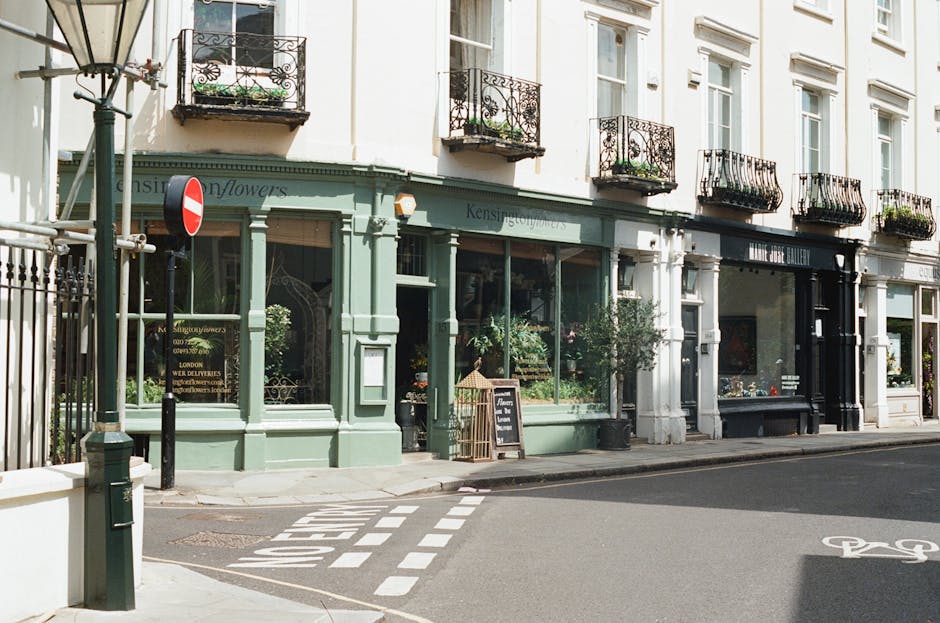
Case study shopfront planting Swiss Cottage gardeners business

If you run a shop, cafe, salon, clinic, or small office in a busy London street, the front of your premises is doing more work than you think. A well-planned shopfront planting scheme can soften hard brick and glass, lift the customer experience, and make the place feel cared for before anyone has even stepped inside. This case study shopfront planting Swiss Cottage gardeners business guide looks at how planting at the front of a property can be planned, installed, and maintained in a way that feels polished rather than fussy.
Done well, it is not just about putting a few pots by the door. It is about proportion, seasonal colour, sightlines, drainage, maintenance, and the everyday reality of foot traffic, deliveries, weather, and all the small knocks that happen in a working street. Let's face it, front-of-house planting has to look good on a Tuesday morning in February, not only on a sunny day when everyone has had their coffee.
This article breaks down what makes shopfront planting effective, how a local gardeners business might approach it, where the risks sit, and how to judge whether the result is worth the investment.
Why Case study shopfront planting Swiss Cottage gardeners business Matters
A shopfront is a first impression machine. People notice whether it feels welcoming, tidy, and intentional. In a place like Swiss Cottage, where streets can be visually busy and a bit unforgiving, planting gives a business a way to stand out without shouting. That matters for footfall, brand perception, and even how long people linger outside before choosing whether to go in.
Shopfront planting also supports practical goals. It can break up reflective glass, add privacy where needed, and make narrow forecourts feel less stark. For businesses that want a more premium or calm feel, plants do a lot of the heavy lifting. You can almost feel the difference straight away when the frontage is green, balanced, and freshly maintained.
There is another angle too. Frontage planting tells people that the business pays attention to detail. If the outside feels looked after, customers often assume the same about the inside. It is a small signal, but in retail and hospitality, small signals stack up.
For a gardeners business, this type of project is also a practical demonstration of skill. It brings together design sense, horticultural knowledge, maintenance planning, and an understanding of what survives in a real urban setting rather than a glossy brochure. If you want to explore the wider service context behind that kind of work, the services overview gives a useful starting point, while the company's about us page helps show how a local team positions itself.
How Case study shopfront planting Swiss Cottage gardeners business Works
Shopfront planting usually starts with a site review. That sounds obvious, but the details matter. The team looks at sunlight, wind exposure, pavement width, entrance access, existing surfaces, drainage, and how the frontage is used during the day. A place that gets full afternoon sun will need a very different planting mix from one that sits in shade with harsh gusts between buildings.
Then comes the brief. Some clients want something smart and low-maintenance. Others want seasonal colour that changes through the year. A good gardeners business will usually ask questions about brand tone, whether the frontage needs to stay open for deliveries, and how much ongoing maintenance the client can realistically manage. Honest answers here save trouble later. To be fair, a lot of planting problems begin with optimism, and then reality arrives with a watering can.
Installation itself may involve containers, soil improvement, compost, mulch, irrigation planning, and selecting plants that will cope with the location. In a shopfront setting, planters are often preferable to open beds because they are flexible, tidy, and easier to reposition. But they have to be sized properly. Tiny pots look lost outside a broad facade, and oversized planters can block access or feel clumsy.
After installation, maintenance becomes the real test. A frontage can look excellent on day one and tired by week three if it is not cared for. That is why many businesses pair planting with a schedule that includes watering, deadheading, feeding, and replacement planting where needed. Ongoing care is where a local partner such as the team behind garden maintenance becomes valuable, especially when the frontage needs to look reliable all year round.
Key Benefits and Practical Advantages
There are several clear reasons businesses choose shopfront planting, and most of them are practical rather than decorative.
- Improved curb appeal: The frontage looks more inviting and less hard-edged.
- Stronger brand feel: Planting can echo a business's style, from elegant and restrained to lively and colourful.
- Better customer welcome: People tend to respond positively to spaces that feel cared for.
- Visual softening: Plants reduce the severity of brick, concrete, metal, and glass.
- Seasonal interest: A frontage can stay fresh across the year with the right planting plan.
- More usable space: Good layout keeps entrances clear while still adding greenery.
There is also a quieter benefit that business owners sometimes overlook. Planting can calm the visual noise of a street. In a busy area, that subtle sense of order can make a frontage feel more trustworthy. Customers may not say, "I chose this shop because of the planting," but the planting still influenced them. Funny how that works.
When the scheme is designed well, maintenance also becomes predictable. Replacing a few seasonal plants is far easier than trying to rescue an overcomplicated display. That is one reason many businesses prefer structured, repeatable planting rather than dense, high-effort arrangements that look good only if someone is constantly hovering nearby.
Who This Is For and When It Makes Sense
Shopfront planting makes sense for businesses that rely on walk-in appeal or simply want their exterior to look more considered. That includes cafes, restaurants, salons, boutiques, clinics, estate agents, offices with customer visits, and mixed-use premises where the ground floor needs a more polished presence.
It is especially useful when a frontage feels too stark, too flat, or too disconnected from the rest of the business identity. If your windows are clean but the outside still feels unfinished, planting can bridge that gap. It can also help if nearby buildings are already greened up and you do not want to look like the one front that gave up halfway through.
It may also be the right move if you are preparing for a relaunch, changing a tenant, refreshing a brand, or trying to improve the way people approach the door. In those cases, the plant scheme is not an add-on. It becomes part of the presentation.
On the other hand, if your site has very limited pavement space, frequent pedestrian flow, or strict access requirements, the planting design needs to be more restrained. This is where a sensible gardener or landscape team can be useful. Broader frontage work often overlaps with landscaping or landscape gardening, especially if the goal is to shape the whole entrance rather than just add pots.
Step-by-Step Guidance
Here is a simple way to think about the process from start to finish.
- Assess the frontage. Look at light, shade, wind, access, surface type, and how people move in and out.
- Define the goal. Decide whether you want welcoming, premium, seasonal, modern, or low-maintenance planting.
- Choose the structure. Select containers, planters, or beds depending on space and practical use.
- Pick the planting palette. Use plants that suit the exposure and are realistic for the site conditions.
- Plan for maintenance. Watering, pruning, and replacements should be built into the schedule from day one.
- Install carefully. Make sure plant height, scale, and access all work together.
- Review after settling in. Check how the scheme looks after a few weeks, not just on installation day.
A useful rule of thumb: if the design only works when nothing moves, nothing gets wet, and nobody uses the door, it is not quite ready. Real life has a way of correcting overambitious plans.
In many cases, front-of-house planting is part of a wider seasonal package rather than a one-off event. A business might pair it with hedge trimming, lawn mowing, or even a small amount of surface refresh work so the whole exterior feels consistent.
Expert Tips for Better Results
In our experience, the best shopfront planting plans are the ones that look easy. That does not mean they are simple to create. It means they have been edited properly.
Keep the palette disciplined. Too many plant types can make a frontage look busy in a bad way. Repeating a few shapes or colours usually looks smarter.
Think in layers. A scheme often works best with a mix of tall, medium, and low planting, but not so much that sightlines disappear. You want shape, not a jungle.
Choose for the site, not the catalogue. Plants that look beautiful in a sheltered garden may sulk outside a windy shopfront. Hardier choices are often better.
Leave room to breathe. Plants grow. Customers walk. Staff carry things. The frontage must remain usable.
Plan for replacement. Something will fail eventually. That is not a disaster, just gardening being gardening.
One small but important point: good watering habits matter more than many people think. Even the right planting scheme can struggle if watering is inconsistent during the first few weeks after installation. A neat display can look lush by day, then a bit droopy by closing time if nobody has built the routine properly.
If sustainability is part of your brand, it is worth considering material choices and plant selection together. The company's recycling and sustainability page is a useful reminder that practical garden care and responsible material handling should go hand in hand.
Common Mistakes to Avoid
Most poor shopfront planting outcomes come down to a handful of avoidable mistakes.
- Choosing plants for looks alone: Attractive but unsuitable plants often become expensive mistakes.
- Ignoring maintenance: A display that cannot be watered or checked regularly is a short-lived display.
- Blocking entrances: Overcrowded planters can create awkward movement and safety issues.
- Using undersized containers: Tiny pots dry out too quickly and look flimsy beside commercial frontage.
- Mixing too many styles: Random planting can make a business look less, not more, professional.
- Forgetting seasonal change: A scheme that peaks for one month and fails for the next is not good value.
Another one that comes up a lot: placing everything at the front door and calling it complete. The eye needs balance. Sometimes one well-placed planter on each side of an entrance says more than six crowded containers ever could.
Also, do not overlook practical hazards. Wet surfaces, overhanging stems, and trip risks all matter. A frontage should feel inviting, not like a mini obstacle course before the first handshake.
Tools, Resources and Recommendations
A professional shopfront planting job does not need an endless toolkit, but it does need the right basics and a tidy working method.
| Item or resource | Why it matters | Best use case |
|---|---|---|
| Planters or containers | Define the layout and keep planting controlled | Busy forecourts and limited pavement space |
| Quality compost and mulch | Helps with moisture retention and plant health | New installs and seasonal refreshes |
| Watering schedule | Keeps plants alive through establishment | First few weeks after planting and summer periods |
| Pruning and deadheading tools | Maintains shape and tidiness | Ongoing care for flowering displays |
| Site notes and photos | Makes it easier to review what is working | Repeat visits and maintenance planning |
For businesses looking for a broader service picture, the services overview is a helpful way to understand how planting can sit alongside other outdoor work. If the frontage also needs heavier tidying before new containers go in, a service such as garden clearance can remove the clutter that distracts from the finished design.
And if you are trying to budget or compare options, the pricing and quotes page is the sensible place to start. No magic there, just the normal process of getting clear on scope before anyone picks up a spade.
Law, Compliance, Standards, or Best Practice
Any frontage planting in a commercial setting should respect access, safety, and the practical use of shared space. If the business sits on or near a public pavement, it is wise to check what the local authority expects before placing anything that could restrict movement, sightlines, or emergency access. The exact rules can vary by location, so careful checking is better than assuming.
There is also a general duty of care issue. Planters should be stable, surfaces should stay safe, and the display should not create unnecessary hazards for staff, visitors, or passers-by. That is especially relevant where weather, foot traffic, and regular deliveries all affect the same small area.
From a best-practice point of view, a commercial planting scheme should be designed with maintenance in mind, not just visual impact. It should be easy to inspect, easy to water, and easy to keep clear of litter or debris. If a business is using tree or shrub elements, any larger intervention such as pruning or removal should be handled cautiously and in line with appropriate safety practice. A team's approach to insurance and safety and its health and safety policy are sensible things to review before work starts.
For businesses that care about transparency and fair dealing, it is also worth understanding how a provider handles service terms, payments, and complaints. That sounds dry, I know, but it saves headaches later. The relevant pages here are the terms and conditions, payment and security, and complaints procedure.
Options, Methods, or Comparison Table
Not every frontage needs the same approach. Here is a simple comparison that helps clarify the main options.
| Method | Best for | Strengths | Limitations |
|---|---|---|---|
| Seasonal container planting | Retail and hospitality fronts | Flexible, colourful, easy to refresh | Needs regular watering and replanting |
| Evergreen structural planting | Professional or premium brands | Looks steady year-round, low visual clutter | Can feel static if not varied carefully |
| Mixed planting scheme | Businesses wanting both colour and form | Balanced, adaptable, visually rich | Requires more planning to avoid messiness |
| Integrated frontage landscaping | Sites with larger external areas | Stronger overall transformation | More time, budget, and coordination needed |
If the frontage has enough space and you want a more complete transformation, planting can sit alongside structural work such as landscaping or even small decorative additions like decking services where appropriate to the property. Not every shopfront needs that level of intervention, of course. Sometimes less is more. Sometimes much less.
Case Study or Real-World Example
Here is a realistic example of how a shopfront planting project can unfold.
A small independent business has a narrow frontage with a glass door, two display windows, and a paved area that feels flat and unwelcoming. Passers-by walk past quickly. The owner wants the entrance to feel warmer and more memorable without cluttering the doorway or creating maintenance headaches.
The gardeners business starts with a site assessment early in the week, while the street is quieter and the light is easier to judge. The team notes that the frontage gets morning sun but is shaded in the late afternoon, and that wind funnels between nearby buildings. That means tender plants are unlikely to thrive. So the plan leans toward hardier planting, with sturdy containers that do not wobble and a tidy arrangement that keeps the path open.
The finished scheme uses repeated plant forms rather than a jumble of one-offs. There is enough height to frame the windows, enough colour to catch the eye, and enough breathing room that the entrance still feels easy to use. A week later, the owner notices people slowing down before the door rather than rushing past. Nothing dramatic, just a calmer, more inviting frontage. And in retail, that often counts for a lot.
What made the project work was not simply the planting. It was the sequence: assess, simplify, install, maintain. That rhythm matters more than many people realise. If you want the exterior to hold up through the year, the follow-up care is every bit as important as the first delivery of plants.
Practical Checklist
Use this before signing off a shopfront planting plan.
- Does the planting suit the light and wind conditions?
- Will customers and staff still move safely and comfortably?
- Is the design visually balanced from a distance and up close?
- Are the containers the right size for the frontage?
- Is there a clear watering and maintenance plan?
- Will the scheme still look good in the next season, not just this one?
- Have access, deliveries, and cleaning routines been considered?
- Is the style aligned with the business brand and premises?
- Has the provider explained safety, pricing, and terms clearly?
- Are there replacement plans for plants that fail or outgrow the space?
Expert summary: good shopfront planting is not about cramming in greenery. It is about creating a frontage that looks composed, stays practical, and can be maintained without stress. That is the whole game, really.
Get a free quote today and see how much you can save.
Conclusion
Shopfront planting can do a surprising amount for a business exterior. It can make the entrance warmer, the brand feel more credible, and the whole frontage look intentionally designed rather than left to chance. In a place like Swiss Cottage, where first impressions have to work hard, that visual difference matters.
The best results come from good site assessment, sensible plant selection, and realistic maintenance planning. Not flashy. Not overdone. Just well judged. If you approach it that way, the planting becomes part of the business identity instead of a short-lived decoration.
And honestly, that is what makes it worthwhile. A frontage that feels alive, tidy, and welcoming changes how people experience the place before they even open the door.
Frequently Asked Questions
What is shopfront planting in a commercial setting?
Shopfront planting is the use of plants, containers, and designed greenery at the front of a business premises to improve appearance, welcome, and brand presentation.
Why would a business in Swiss Cottage invest in frontage planting?
Because it can make a premises feel more inviting, more polished, and more memorable. In a busy urban street, that visual lift can help a business stand out without looking forced.
Is shopfront planting high maintenance?
It does not have to be, but it depends on the design. Containers and hardy plants can keep maintenance manageable, while complex seasonal displays need more regular attention.
What kind of businesses benefit most from shopfront planting?
Cafes, restaurants, salons, shops, clinics, and customer-facing offices often benefit most because they rely on a welcoming first impression.
How do I choose the right plants for a shopfront?
Start with the site conditions: sunlight, shade, wind, and available space. Then choose plants that are sturdy, visually appropriate, and realistic to maintain.
Can shopfront planting work in a narrow space?
Yes, but the design must be tighter and more disciplined. Slim planters, repeated planting choices, and careful spacing usually work better than trying to fit too much in.
How long does a planting scheme usually last?
That depends on the type of planting and the maintenance schedule. Some schemes are seasonal, while others are designed for year-round structure with periodic refreshes.
What are the most common mistakes with frontage planting?
Choosing the wrong plants, blocking access, using planters that are too small, and ignoring maintenance are among the most common problems.
Do I need permission before placing planters outside my business?
Possibly. If the planting affects a pavement, shared access area, or public frontage, it is wise to check local requirements before installation.
How much should I budget for this kind of project?
Costs vary widely depending on the size of the frontage, the type of planting, and whether maintenance is included. The safest approach is to request a clear quote based on the actual site.
Should planting be part of a wider landscaping plan?
Often, yes. If the frontage needs more than a decorative lift, combining planting with broader landscaping or maintenance work can create a better long-term result.
How do I keep the frontage looking good through winter?
Use hardy evergreens, structure-focused containers, and a maintenance routine that includes checking for damage, waterlogging, and wind wear. Winter is where weak schemes tend to show themselves.