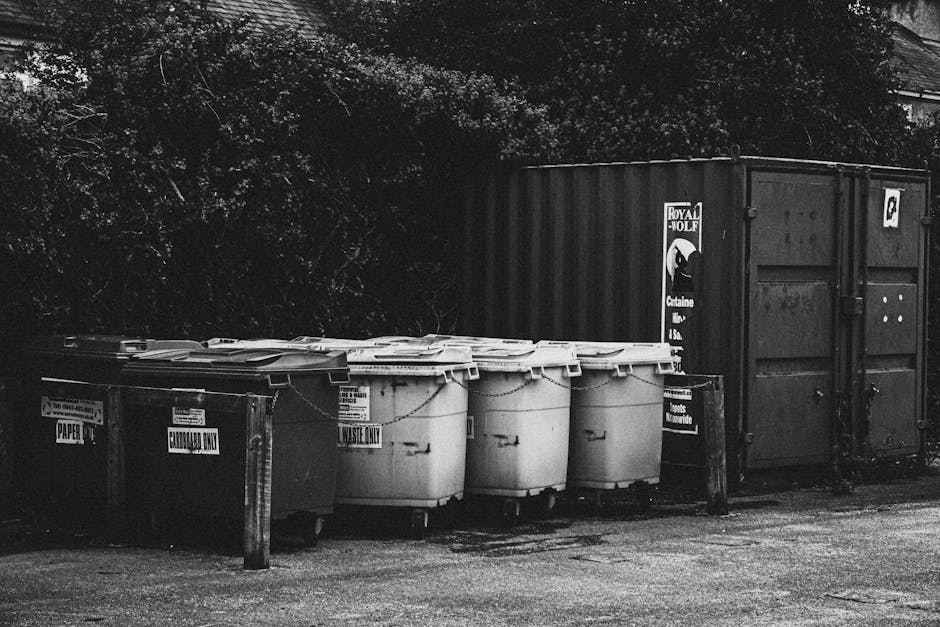
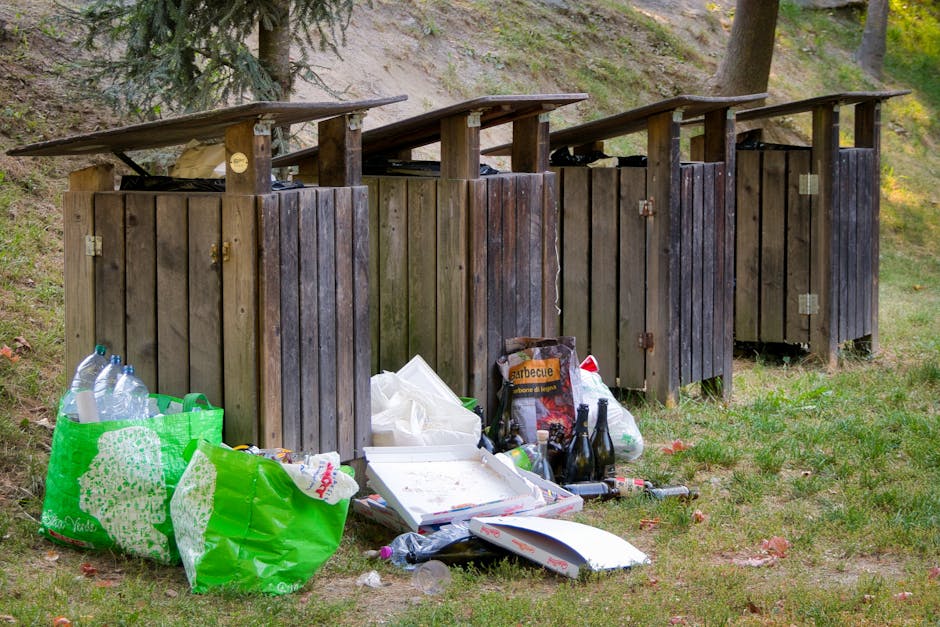
Garden Waste Disposal Rules Swiss Cottage Camden Council Fines: A Practical Local Guide
If you live in Swiss Cottage and you've got bags of hedge cuttings, grass clippings, branches, or an overgrown border to clear, the rules around garden waste disposal can feel oddly specific. And yes, if you get them wrong, Camden Council fines can become more than a nuisance. This guide explains Garden waste disposal rules Swiss Cottage Camden Council fines in plain English, so you can avoid the usual pitfalls, keep your garden tidy, and handle waste the right way without the last-minute panic. Let's face it, nobody wants a neat-looking front garden and a messy compliance headache.
Below, you'll find what counts as garden waste, how disposal normally works, where people slip up, and how to stay on the safe side whether you're doing a light tidy-up or a full clearance. If you're comparing help from a local team, it also helps to understand the difference between routine maintenance and larger jobs like garden clearance or ongoing garden maintenance. Small details matter here. A lot.
Table of Contents
- Why garden waste rules and fines matter
- How the rules work in practice
- Key benefits of disposing waste properly
- Who needs this guidance
- Step-by-step guidance
- Expert tips for better results
- Common mistakes to avoid
- Tools, resources and recommendations
- Law, compliance and best practice
- Options and comparison table
- Case study or real-world example
- Practical checklist
- Conclusion
- Frequently asked questions
Why Garden Waste Disposal Rules Swiss Cottage Camden Council Fines Matters
Garden waste is not just "green stuff." In Camden, and across London generally, it has to be managed responsibly so it does not create litter, block pavements, attract pests, or end up in the wrong collection stream. A damp heap of clippings left by the kerb can quickly turn from harmless to unsightly, especially after a wet week when everything smells a bit earthy and a bit too alive. Not exactly the look most people are aiming for.
The risk of fines usually comes from careless disposal, fly-tipping, putting out waste in the wrong way, or using someone who does not handle rubbish properly. Even if the original waste came from your own garden, you can still be caught out if you hand it over to an unlicensed collector or dump it where it should not be. That is the part many homeowners miss.
In Swiss Cottage, space is tight, front gardens are often small, and access can be awkward. That means waste piles up fast during pruning season or after a big tidy-up. If you understand the rules early, you avoid the common chain reaction: overgrown plot, quick clear-out, rushed disposal, then a fine. Honestly, it happens more often than people think.
Expert summary: The safest approach is simple: separate garden waste carefully, use lawful disposal routes, keep records if a contractor removes it, and never assume "it's just leaves" means the rules do not apply.
How Garden Waste Disposal Rules Swiss Cottage Camden Council Fines Works
The basic idea is straightforward. Garden waste should be collected, stored, moved and disposed of in a way that keeps streets clean and ensures it is processed correctly. That might mean home composting, council-approved collection arrangements, taking waste to an authorised facility, or using a professional service that handles green waste responsibly.
Where fines become relevant is when waste is abandoned, put out incorrectly, or transferred without proper care. In practical terms, the council may act if waste is left on the street, mixed with non-green material, or dumped in a communal area. If someone else removes your waste and then dumps it illegally, you may still need to show you took reasonable care in choosing them. That is a real-life issue, not just a theoretical one.
Think of it this way: the council is not trying to punish people for trimming a hedge. It is trying to stop waste from becoming a public mess. So the question is not only "How do I get rid of it?" but also "Can I show I handled it properly?" That second question matters more than most people expect.
If you are planning a larger tidy-up, it can help to pair disposal planning with the actual garden work. Services like hedge trimming, lawn mowing, and tree lopping and removal often produce mixed green waste that needs careful sorting before it leaves the site.
Key Benefits and Practical Advantages
Following the rules is not only about avoiding a penalty. It makes the whole job cleaner, faster, and less stressful.
- Less risk of fines or enforcement action. Obvious, yes, but easy to overlook when you're in a rush.
- Cleaner streets and shared spaces. Especially important in denser parts of Camden where waste can become a nuisance quickly.
- Better recycling outcomes. Green waste can often be processed separately rather than treated as general rubbish.
- Less odour and pest attraction. A pile of wet clippings on a warm day is not pleasant.
- More efficient garden work. When waste is sorted properly, the job usually runs smoother from start to finish.
There's also a less obvious benefit: peace of mind. When you know the waste is sorted, bagged, and moved correctly, you stop second-guessing every step. That sounds small, but during a full weekend garden overhaul it makes a real difference. You can focus on the actual garden rather than wondering if you have accidentally created a compliance problem in your front drive.
Who This Is For and When It Makes Sense
This guidance is useful if you are a homeowner, tenant, landlord, managing agent, or anyone arranging garden work in Swiss Cottage. It is especially relevant if you are handling:
- seasonal pruning and leaf fall
- hedge cuttings and branch waste
- grass cuttings after regular mowing
- soil, roots, turf, or old planting material
- mixed waste from landscaping or redesign work
It also matters if you are hiring someone to do the work. A quick tidy-up after the weekend may not need much planning, but a bigger project almost always does. If you are reshaping beds, renewing turf, or changing the layout, the waste can shift from "green waste" to a more mixed load very quickly. That is where good judgement helps.
For example, a small terrace garden may only need bags of clippings removed once a month. A larger rear garden with mature shrubs, a tired lawn, and old timber edging might need a more structured approach. If that sounds familiar, it may be worth looking at broader services overview information so the waste plan matches the scale of the job.
Step-by-Step Guidance
Here is a practical way to handle garden waste without overcomplicating it.
1. Separate green waste from everything else
Keep grass, leaves, plants, hedge clippings, and small prunings separate from plastics, pots, packaging, bricks, and general household rubbish. Mixed loads are where mistakes start. If you've ever found a cracked plant pot buried in a sack of leaves, you know what I mean.
2. Check whether the waste can be reused on site
Some material does not need to leave your property. Composting, mulching, and chipping suitable branches can reduce disposal volume and save effort. This is often the neatest solution for lighter maintenance jobs.
3. Bag or bundle the waste properly
Use strong bags or tidy bundles that can be carried safely. Avoid overfilling. Overstuffed bags split at the worst possible moment, usually right on a wet path. Annoying, and avoidable.
4. Decide whether the load is small or substantial
A few sacks after mowing is one thing. A full garden clearance after pruning, digging and reshaping beds is another. If the job has become substantial, think beyond normal household disposal and use a method suited to larger volumes.
5. Choose a lawful removal route
Use council-approved collection arrangements where available, take waste to an authorised site if you are transporting it yourself, or use a professional provider that understands waste handling. If a third party removes it, make sure they are operating properly and that you have a sensible paper trail, even if it is only a receipt or written agreement.
6. Keep the area clean after collection
Pick up loose debris. Sweep the pavement. Check for soil spills. Tiny fragments left behind are often what make a tidy job look sloppy.
If you want to keep an ongoing routine rather than tackling everything at once, regular maintenance is easier to manage and much less likely to produce awkward waste piles. That is where structured garden maintenance can help, because smaller jobs spread across the year usually create less disposal pressure than a big one-off clear-out.
Expert Tips for Better Results
A few habits make all the difference. Truth be told, these are the things people remember only after they have already made a mess.
- Work in stages. Break a large tidy-up into sections so waste does not overwhelm the space.
- Keep wet and dry material apart if you can. Dry waste is lighter and easier to handle; wet waste becomes heavy fast.
- Do not mix in hidden non-green waste. One broken fence panel or bag of rubble can change the whole load.
- Store waste safely before collection. Keep bags off shared paths and away from entrances.
- Use the right help for the right job. A minor trim and a full site clearance are not the same thing.
Another useful habit is to plan disposal before you start cutting. That sounds obvious, but it saves a surprising amount of hassle. If the waste is already piling up and the bags are nowhere in sight, you end up improvising. And improvisation is where most garden waste mistakes begin.
For larger projects that involve hard landscaping or layout changes, it can help to read about landscape gardening or broader landscaping so the removal plan is built into the work itself, not treated as an afterthought.
Common Mistakes to Avoid
Most fines and headaches come from a handful of avoidable errors.
- Leaving bags on the street for too long. Even if they are neat, they can become a nuisance.
- Assuming all garden waste is treated the same. Soil, turf, branches and mixed green waste may need different handling.
- Using an unverified collector. Cheap can become expensive very quickly if waste is fly-tipped later.
- Dumping material in communal bins. Shared containers are not a shortcut. Usually a bad idea.
- Forgetting about overspill. Loose leaves and soil on the pavement can still cause trouble.
- Putting out waste on the wrong day or in the wrong format. If there is a collection system, it normally has rules. Funny how that works.
One practical example: a resident trims back a hedge on a Sunday, bags the clippings, and leaves them beside the kerb until Wednesday. By then, the bags have split a little, passers-by have kicked debris loose, and the whole thing looks abandoned. That is exactly the kind of small slip that creates avoidable friction.
Tools, Resources and Recommendations
You do not need fancy kit, but a few simple items make the job much cleaner.
- Sturdy garden waste bags for clippings and leaves
- Gloves for thorns, sharp stems, and rough cuttings
- Secateurs and loppers to control branch size before disposal
- A rake and broom for clearing debris from paths and patios
- A wheelbarrow or tub trug for moving waste without repeated heavy lifting
If the work is more than a basic tidy-up, you may also want professional support for the removal side. It is often easier to pair disposal planning with a service that understands the site conditions, especially where access is narrow or shared. For larger clearances, the dedicated garden clearance page is a useful place to start. If you are checking whether a provider is suitable, the company's about us information and recycling and sustainability approach can also help you judge whether their values match your own.
And if you're comparing next steps, a transparent pricing and quotes page is often a better sign than vague promises. No mystery pricing. Much easier for everyone.
Law, Compliance, Standards, or Best Practice
Garden waste disposal in Camden sits within the wider UK framework for waste duty of care, environmental protection, and local authority enforcement. In plain language, that means you should take reasonable steps to ensure waste is stored, moved, and disposed of responsibly. You should not assume someone else will "deal with it properly" unless you have confidence they actually will.
The safest best practice is to:
- keep garden waste separate from household rubbish where possible
- use authorised disposal routes
- avoid leaving waste where it may obstruct others
- check that any contractor or remover is operating legitimately
- retain basic evidence of proper disposal when a third party handles the waste
There is also a common-sense standard behind all this: waste should not create a mess, a hazard, or a nuisance. If your chosen method would look questionable if a neighbour saw it, that is usually your cue to rethink it. Simple, but effective.
For wider operational reassurance, it can also be helpful to review a provider's health and safety policy and insurance and safety details. Those pages do not replace legal checks, of course, but they do show whether the business takes responsibility seriously.
Options, Methods, or Comparison Table
Different disposal methods suit different jobs. Here is a simple comparison to help you think it through.
| Method | Best for | Advantages | Watch-outs |
|---|---|---|---|
| Home composting | Leaves, grass, light plant matter | Low cost, eco-friendly, easy for ongoing upkeep | Not suitable for everything; needs space and patience |
| Local collection route | Routine waste in manageable amounts | Convenient if available and followed correctly | Must meet the council's format and timing rules |
| Self-transport to an authorised site | Medium volumes and planned clear-outs | Direct control over disposal | Requires time, transport and proper sorting |
| Professional garden waste removal | Larger projects, awkward access, mixed green waste | Saves labour, reduces handling stress | Need to choose a trustworthy provider |
In many Swiss Cottage homes, the best option is a mix: compost what you can, remove what you cannot, and keep the process tidy from the start. That approach tends to be more sustainable and less stressful. It also reduces the odds of a hasty mistake when the pile starts looking bigger than the garden itself.
Case Study or Real-World Example
Here is a realistic example based on the kind of job many local gardens face in spring.
A homeowner in Swiss Cottage had a small rear garden that had been left for a while. The lawn was patchy, the hedges had crept outward, and there were several bags' worth of cuttings by the end of the day. At first, the plan was simply to put everything out for collection and hope for the best. But once the waste was looked at properly, there were branches, old plant ties, some broken edging, and a few odds and ends mixed in. Not disaster territory, but messy enough to cause trouble if handled casually.
Instead, the waste was sorted into green material and non-green items, the paths were swept, and the larger branches were bundled separately. The job also paired well with a basic maintenance visit, which meant future cuttings would be smaller and easier to manage. No drama, no abandoned bags, no awkward questions. Just a cleaner garden and a cleaner exit.
That is usually how it should work. Quietly, sensibly, and without turning rubbish into a weekend saga.
Practical Checklist
Use this before and after any garden tidy-up or clearance job.
- Have I separated green waste from general rubbish?
- Do I know where each type of waste is going?
- Are bags or bundles strong enough to move safely?
- Have I kept debris off pavements and shared areas?
- Am I using a lawful and sensible disposal route?
- If someone else is removing the waste, do I trust them to handle it properly?
- Have I kept basic proof of disposal where appropriate?
- Did I avoid overfilling sacks or leaving loose waste behind?
- Have I checked for soil, thorny cuttings, or hidden sharp objects?
- Does the garden now look tidy rather than just "partly finished"?
That last point matters more than it sounds. A job can be technically complete and still look unfinished if the last sweep-up is skipped. A minute with a broom can save a lot of annoyance later.
Get a free quote today and see how much you can save.
Conclusion
Garden waste disposal rules in Swiss Cottage are not there to make life difficult. They exist to keep the area clean, reduce nuisance, and make sure waste is handled properly. If you sort waste carefully, avoid leaving it out carelessly, and choose the right disposal method for the size of the job, you will stay well clear of most Camden Council fine risks.
For small jobs, a simple routine of sorting, bagging, and keeping the area clean is usually enough. For larger clearances, it is worth bringing the waste plan into the job from day one. That way the garden improves, the street stays tidy, and you do not end up doing the whole thing twice. Which, to be fair, nobody enjoys.
If you are planning a bigger project or want help with the heavy lifting, it can be sensible to look at the full range of local garden services and match the disposal method to the work. That little bit of forethought tends to pay off. Quietly, but properly.
Frequently Asked Questions
What counts as garden waste in Swiss Cottage?
Garden waste usually includes grass cuttings, hedge trimmings, leaves, plants, weeds, small branches, and similar green material. Soil, rubble, plastic pots, timber, and general household rubbish are usually treated differently, so it is best not to mix them in the same pile.
Can Camden Council fine me for garden waste left on the street?
Yes, if waste is left in a way that causes a nuisance, obstruction, or abandonment issue, enforcement action may follow. The exact outcome depends on the circumstances, but leaving bags out carelessly is never a good idea.
Is fly-tipping garden waste a real issue?
It is. A quick, cheap removal can become a problem if the collector dumps your waste elsewhere. That is why choosing a trustworthy, properly run service matters. If in doubt, keep records and ask sensible questions.
Do I need to separate green waste from other rubbish?
Yes, ideally. Separating waste makes disposal cleaner, safer, and more likely to be handled correctly. Mixed loads are harder to process and more likely to cause mistakes.
What is the safest way to dispose of a small amount of garden waste?
For small amounts, composting suitable material or using a lawful local collection route is often the simplest option. If you are bagging it for removal, keep the bags tidy, secure, and easy to handle.
What if I have a large pile after pruning or clearance?
Large piles are better handled as a planned clearance rather than a standard tidy-up. That may mean a professional removal service, a proper transport plan, or staged disposal over several trips.
Are wet leaves and grass cuttings harder to dispose of?
Yes. Wet waste is heavier and messier, and it can split weak bags more easily. If possible, let material drain or dry a little before moving it. Not always possible, of course, but it helps.
Can I put garden waste in my household bin?
Sometimes small amounts may fit, but it is usually not the best route for larger volumes. Overfilling bins or mixing unsuitable materials can create collection issues. The better approach is to use the correct disposal route for green waste.
How can I reduce the amount of waste I need to remove?
Regular maintenance, composting, mulching, and cutting back in stages all help. Smaller, more frequent jobs tend to create less waste than a neglected garden that needs a full clear-out later on.
Should I keep proof that waste was disposed of properly?
Yes, especially if someone else handled the removal. A receipt, invoice, or written record can be useful if questions ever arise. It is a simple precaution and worth keeping.
What should I check before hiring someone to remove garden waste?
Check that they operate responsibly, explain how they handle disposal, and provide clear documentation. If a service also offers broader help such as lawn mowing or hedge trimming, that can be convenient, but the key point is still proper waste handling.
Where can I learn more about local services and standards?
A good starting point is the company's services overview, along with its recycling and sustainability approach and terms and conditions. Those pages help you understand how the service is set up and what standards it follows.